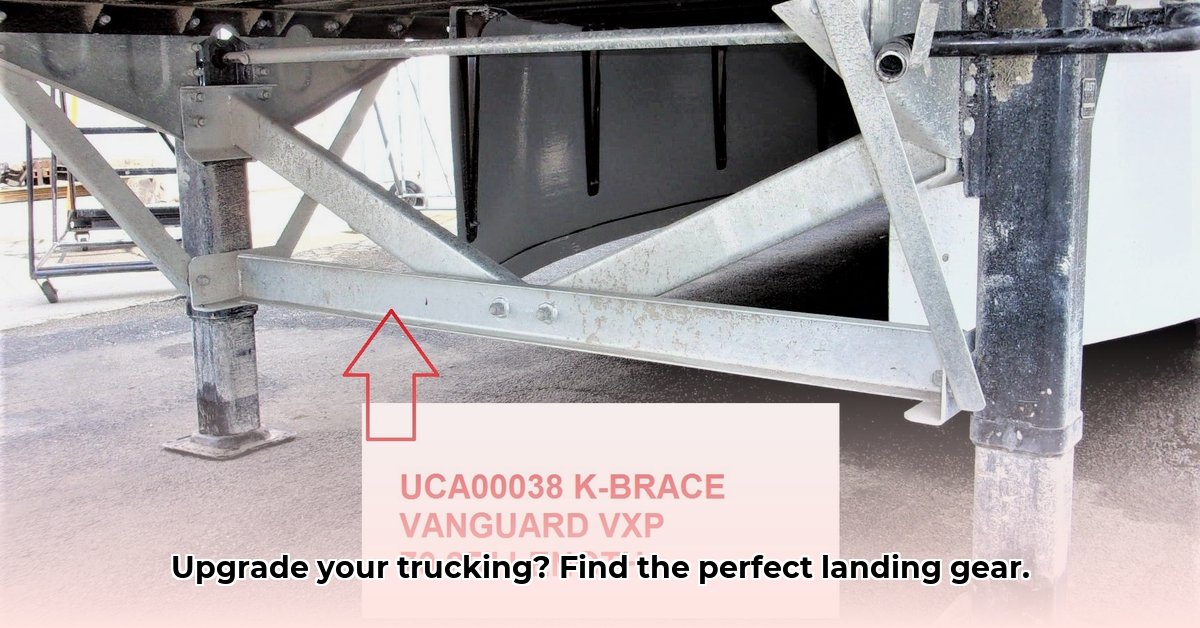
Landing Gear for Tractor Trailers: Your Comprehensive Guide to Choosing the Right Equipment
Imagine this: you're a trucker, miles from civilization, late for a crucial delivery. You pull over, and your trailer's landing gear collapses. Suddenly, a seemingly minor component has brought your entire operation to a standstill. This scenario highlights the critical role of reliable landing gear in the trucking industry. This guide provides a comprehensive overview, demystifying the process of choosing, maintaining, and troubleshooting tractor-trailer landing gear, whether you’re buying new or used, online or in person. We’ll cover different types, purchasing strategies, and preventative maintenance to keep your rig rolling smoothly. For more on sleeper tractors, check out this helpful resource: Sleeper Tractor Info.
Navigating the Market for Tractor Trailer Landing Gear
The market for tractor-trailer landing gear is a dynamic blend of new and used equipment, accessible both online and through traditional dealerships. This presents both opportunities and challenges. Online marketplaces offer unparalleled convenience and potentially competitive pricing, but require careful due diligence. The key challenge? Determining the condition and reliability of used equipment and navigating the vast array of options available.
Types of Landing Gear: Single-Speed, Two-Speed, and Electric Options
Several types of landing gear cater to different needs and budgets.
- Single-speed landing gear: This reliable workhorse is simple, cost-effective, and suitable for everyday use and less demanding applications.
- Two-speed landing gear: Offering enhanced versatility, this type provides a wider range of adjustment, making it ideal for precise trailer positioning and heavier loads.
- Electric landing gear: This premium option offers effortless operation via automated deployment and retraction, significantly reducing physical strain and improving efficiency, especially beneficial for large fleets.
The optimal choice depends on your operational needs and budget. Smaller businesses may find single-speed systems perfectly adequate, while larger firms may prioritize the streamlined efficiency of electric systems.
Your Step-by-Step Guide to Buying the Right Landing Gear
Whether shopping online or in-store, careful planning is essential. Follow these steps:
- Assess Your Needs: Determine your trailer's weight capacity, usage frequency, and operational environment. Heavy-duty applications need more robust gear.
- Research Thoroughly: Investigate different brands, models, and specifications. Compare features, prices, and customer reviews. Online forums and websites offer valuable insights.
- Compare Prices Strategically: Obtain quotes from multiple suppliers. Don't solely focus on initial cost; consider long-term maintenance and repair expenses.
- Meticulous Inspection (for Used Gear): For used equipment, a thorough inspection is paramount. Check for wear, rust, damage, and signs of prior repairs. A qualified mechanic's assessment is highly recommended.
- Complete the Purchase: Choose the purchase method that best suits your needs and comfort level—the convenience of online platforms or the hands-on evaluation of brick-and-mortar stores.
Weighing the Pros and Cons: New vs. Used Landing Gear
| Feature | New Landing Gear | Used Landing Gear |
|---|---|---|
| Cost | Higher initial investment | Lower upfront cost |
| Condition | Excellent condition, factory-fresh | Variable; requires thorough inspection |
| Warranty | Typically includes manufacturer's warranty | Usually no warranty; buyer assumes all risk |
| Availability | May require longer lead times | Often readily available, but inventory fluctuates |
| Maintenance | Lower initial maintenance | Potential for higher maintenance costs |
Addressing Market Challenges and Embracing Opportunities
Key challenges in the market include inventory management and accurate condition assessment of used equipment. Manufacturers and retailers are implementing solutions like AI-powered inspection tools and improved inventory tracking systems to enhance transparency and reliability.
Regulatory Compliance: A Crucial Consideration
Always ensure your landing gear meets all relevant safety standards and regulations. Regular inspections and preventative maintenance are essential for both safety and legal compliance.
Conclusion: Making the Right Investment
Investing in reliable landing gear is crucial for safety, operational efficiency, and long-term cost savings. By following this guide and prioritizing quality, you can make informed purchasing decisions, safeguard your investment, and ensure safe and efficient transportation. Don't underestimate the importance of preventative maintenance; a small investment in upkeep can prevent costly repairs down the line. A properly maintained landing gear system is a cornerstone of reliable and safe trucking operations.
How to Choose the Best Heavy-Duty Trailer Landing Gear Online
Key Takeaways:
- Understanding the distinctions between single-speed and two-speed landing gear is vital for selecting the right equipment.
- Regular inspection and maintenance are critical for ensuring longevity and safety.
- Online purchasing provides convenience and potential cost savings, but demands careful seller vetting.
- Consider load capacity, trailer type, and environmental factors when making your selection.
- Familiarize yourself with relevant safety regulations to ensure compliance.
Navigating the World of Trailer Landing Gear: Single-Speed vs. Two-Speed
The choice between single-speed and two-speed landing gear significantly impacts operational efficiency and safety. Single-speed systems are simpler and more affordable, suitable for lighter loads and less demanding applications. Two-speed systems offer greater versatility and precision, essential for heavier loads and precise leveling. The best option depends on your specific operational needs and typical cargo weight.
How to Choose the Best Heavy-Duty Trailer Landing Gear Online: A Step-by-Step Guide
- Define Your Needs: Consider payload, trailer type, and environmental conditions. Harsh environments might require corrosion-resistant materials.
- Research Online Retailers: Choose reputable retailers with positive customer reviews and clear return policies.
- Compare Specifications: Pay attention to load capacity, materials, and manufacturer specifications. Contact sellers with questions.
- Verify Certifications: Ensure compliance with relevant safety standards. Check for certifications and documentation.
- Thorough Inspection (If Buying Used): Scrutinize photographs and descriptions. Ask detailed questions about condition and history.
- Include Shipping Costs: Factor shipping costs into your total budget.
- Review Customer Feedback: Read reviews before committing to a purchase.
Understanding the Risks: A Risk Assessment
| Technology/Component | Probability of Failure | Severity of Failure | Risk Level | Mitigation Strategies |
|---|---|---|---|---|
| Single-Speed Gear | Medium | Medium | Medium | Regular inspections, lubrication, timely replacement of worn parts. |
| Two-Speed Gear | Low | Medium | Low | Similar to single-speed, with attention to gear alignment |
| Material Degradation | High | High | High | Corrosion-resistant materials, protective coatings |
| Operator Error | High | High | High | Comprehensive training, clear safety protocols |
Maintenance Matters: Keeping Your Landing Gear in Top Shape
Regular maintenance is crucial. Preventative measures are far less costly than emergency repairs. Visual inspections, lubrication, and timely component replacement extend the life of your landing gear significantly.
Regulatory Compliance: Staying on the Right Side of the Law
Stay informed about and compliant with all relevant safety regulations to avoid fines and legal issues.